
Live casino tension and charm – the human touch online
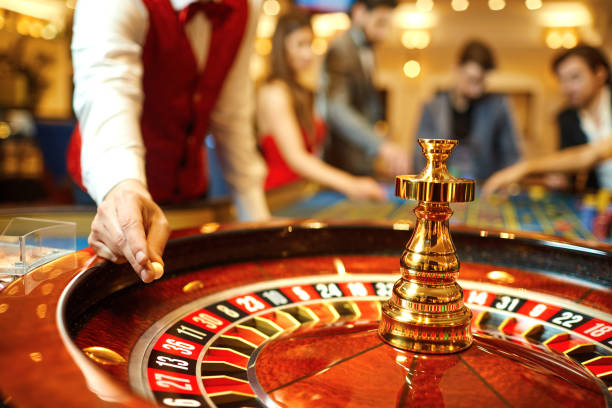
Table of Contents
Live Casino Tension and Charm – The Human Touch Online
There’s something slightly hypnotic about a live casino stream. The flicker of the table lights, the subtle nerves in the dealer’s voice, and that strange sense of presence through a screen. Not too long ago, online casinos felt detached, even mechanical. You clicked a button, numbers rolled, and results appeared instantly. Efficient, yes, but soulless. Now, live casino platforms have rediscovered something almost lost in the world of digital gambling — the human element. Somewhere between the unpredictability of real human interaction and the reliability of modern tech lies the charm of the online tables. It is this mixture that determines why so many players drift toward live streams instead of fully automated slots or virtual card rooms. I think it’s that essential craving for authenticity, however small and pixelated it may be.
While digital gaming has flourished, the tug of personal communication, even in something as statistically driven as gambling, continues to thrive. Modern players bounce between the familiar automated slots and the unpredictable setting of live blackjack, roulette, or even interactive shows like the Plinko Game. It’s not just about winning, it’s about feeling as though someone is really there with you, no matter how virtual the environment appears. Perhaps that’s what fuels the subtle tension each time the wheel spins or the cards are drawn.
Rediscovering the Human Touch
To some degree, the world of online casinos is an elaborate simulation of hospitality. Live dealers greet you with sincere, even if slightly scripted, warmth. Their presence humanizes the betting interface. For a few minutes, the digital disconnect fades. Players type greetings into chat windows, and dealers reply, not to bots but to people. This dynamic is what redefines modern gambling as a social entertainment outlet rather than a mechanical task of random number generation.
Bridging the Emotional Distance
In theory, video streaming shouldn’t compensate for real-life communication. Yet, live casino software manages to bridge that gap better than expected. The illusion of being in control and being seen — even if only through a tiny name tag on a chat feed — gives players a strange form of digital recognition. That recognition sparks engagement and loyalty. It’s an emotional exchange layered beneath the risk and reward system of gambling. It’s subtle, but it works.
The blend of real hosts, visual design, and intuitive interfaces is no accident. Developers have realized that people don’t only play to win. They play to feel, to experience tension, to anticipate outcomes that feel naturally unpredictable.
The Tension and Atmosphere of Live Casinos
Now, let’s pause for a moment. There’s a certain type of silence only a casino knows — the kind that sits heavy before the wheel stops spinning or the dealer flips a card. That suspended second, when odds tremble in your mind, isn’t easily recreated by algorithms. Online developers study this very sensation and try to code it into streaming formats. The live casino room becomes a carefully tuned theater where timing, sounds, and gestures create micro-moments of drama.
The Sound of Suspense
Every shuffle, every rolling click of the ball, every soft dealer announcement carries weight. The audio elements, simple as they are, heighten intensity more effectively than flashing lights or music loops. That’s partly what people crave — those small, nearly medial details that make their pulse tick a little faster.
Human Reactions
When the dealer smiles or sighs, something unrepeatable happens: the atmosphere thickens. As viewers, we react to those micro-expressions instinctively. There’s a sense of shared human tension, even though all participants are separated by miles. In contrast to fully automated slot games, live casino gaming feels like it breathes.
Technology and Realism: Crafting the Interface
Design teams behind these platforms work tirelessly to replicate real table environments. Every tiny detail matters—the curvature of a table, lighting simulations, even how the cards are angled. Still, perfection isn’t the goal. Imperfection is. That faint unevenness in the dealer’s shuffle or a small delay in the feed paradoxically reinforces believability. Players don’t want perfect robots; they want slightly human flaws, because those flaws imply truth.
Streaming and Software Layers
The streaming back-end may look like pure tech infrastructure, but in reality, it’s emotional engineering. Complex algorithms allocate bandwidth, manage latency, and render multiple camera feeds smoothly, all to maintain immersion. Technical mastery sits quietly in the background, enabling the fragile illusion of reality.
Integrating Gameplay
Interactive features allow players to place bets, switch camera views, or chat during live sessions. The interactivity keeps the experience fluid. When those small control elements are designed naturally, they almost disappear, leaving the player absorbed rather than distracted.
Human Interaction and Authenticity
People join live streams for games, but often stay because of personalities. A good dealer makes the difference between a crisp, transactional round and an evening that feels genuinely social. The best hosts know how to read a digital room, even when they can’t actually see the players. There’s a craft to sounding spontaneous while staying professional. Authenticity has become part of the brand standard in modern live casinos.
Professionalism Meets Personality
No one wants to engage with a monotone dealer, but neither should they cross into theatrical exaggeration. The aim is subtle charm, a conversational rhythm that lures players in. Dealers adapt intuitively to the mood of sessions: quiet when concentration builds, chatty during pauses. That behavioral elasticity sustains interest longer than jackpot potential alone.
- Authenticity triggers emotional investment and trust.
- Conversational continuity prevents players from feeling isolated.
- Human presences transform sessions into experiences, not just wagers.
Payments, Security, and the Comfort of Confidence
Behind any charming front-end must lie robust infrastructure. Payment systems and player security determine whether users continue gambling responsibly. Every platform balances immersion with transparency — an area often underappreciated by casual observers. The promise of safe payment gateways, fair play certifications, and transparent withdrawal conditions creates an invisible safety net beneath the thrill.
Modern Payment Models
Today’s online casinos support various digital wallets and crypto transfers. Instant deposits have replaced earlier 2-day waits. This speed, however, adds pressure on casinos to maintain rigorous compliance. People expect rapid responses but also impeccable encryption.
- Regulatory compliance, essential to maintaining long-term user trust.
- License validation and random fair play certificates by recognized authorities.
Lists of Insights and Subtle Realizations
It’s interesting that in a field so numbers-dependent, emotional engagement becomes the deciding factor. The mind expects logic, yet emotion directs most betting behavior. That’s partly why marketing campaigns increasingly emphasize feelings rather than sheer statistical success.
- Limited-time bonuses and live welcome promos generate anticipation.
- Personalized notifications subtly play on curiosity and surprise.
- Loyalty programs evoke appreciation rather than addiction — ideally.
Emotional Hooks
Many players underestimate how much tone and atmosphere influence risk-taking. The speed of cards, the warmth in a host’s tone, even chat emoji exchanges shape financial decisions. So while tech calculates probabilities, psychology governs engagement. Paradoxical, isn’t it?
You can notice this in many newer gambling platforms where developers quietly pivot from mechanical repetition toward narrative-driven experiences. The tables are no longer silent probability boards but semi-storytelling environments.
- Visual storytelling elevates routine sessions to memorable encounters.
- Player recognition systems encourage connection more than reward chasing.
FAQ
Q1: Why do people prefer live casinos over automated games?
Because the live aspect offers a social thrill, emotional engagement, and visible fairness that algorithms alone cannot convey. Watching a person shuffle cards or spin a wheel builds immediate trust and suspense.
Q2: Are live games fairer than regular online games?
Not necessarily fairer in terms of odds, but they feel fairer because the process is visible. Transparency redefines the perception of fairness more than mathematics ever could.
Q3: How safe is it to play on live casinos?
As safe as the platform allows. Licensed casinos with encrypted transactions generally protect user funds and identities efficiently. Still, evaluating the casino’s credentials remains crucial for safety.
Conclusion
Perhaps the enduring charm of live casino gambling lies in its contradictions. It is both virtual and real, detached and social, predictable yet uncertain. Players log in for entertainment, yet many stay for companionship. In the glow of the virtual table, strangers exchange words, laughter, or short silences that somehow turn an otherwise statistical pastime into something undeniably human. The tension between chance and connection, between cold code and warm gestures, creates a peculiar authenticity that keeps drawing people back to the tables. That blend, fragile and genuine, might just define the future of online casinos more than any piece of technology ever could.